Colorful plant and animal diversity
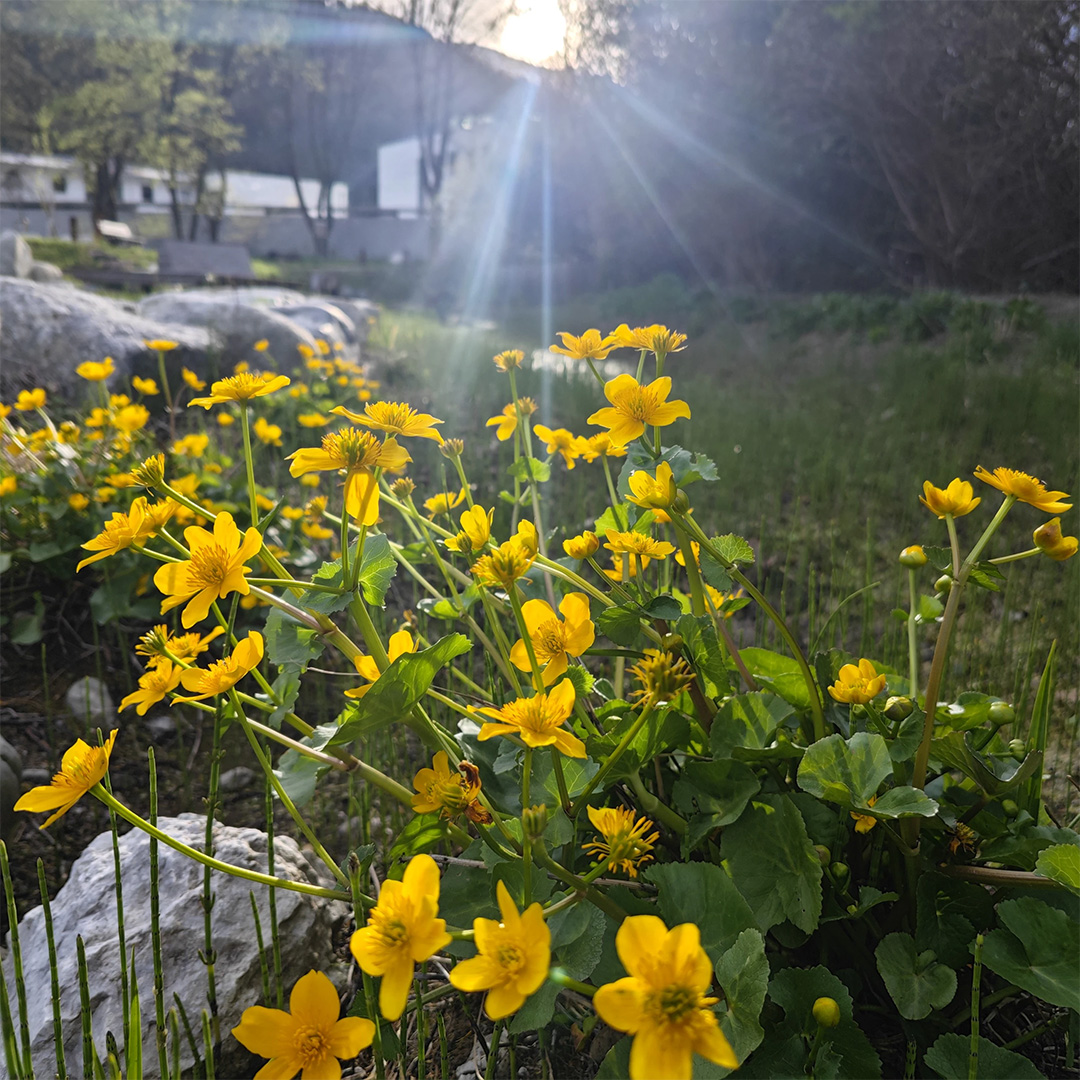
Marsh marigold
The bright yellow marsh marigold is a real harbinger of spring - found wherever it is damp: on the edges of streams and ponds, in swampy meadows or in riparian forests. It also grows in large numbers in the swamp ditch of the nature recreation park. From April to May it decorates the area with its strong, yellow flowers and adds color to the fresh spring green. A beautiful sight – and a sign of healthy, wet habitats.
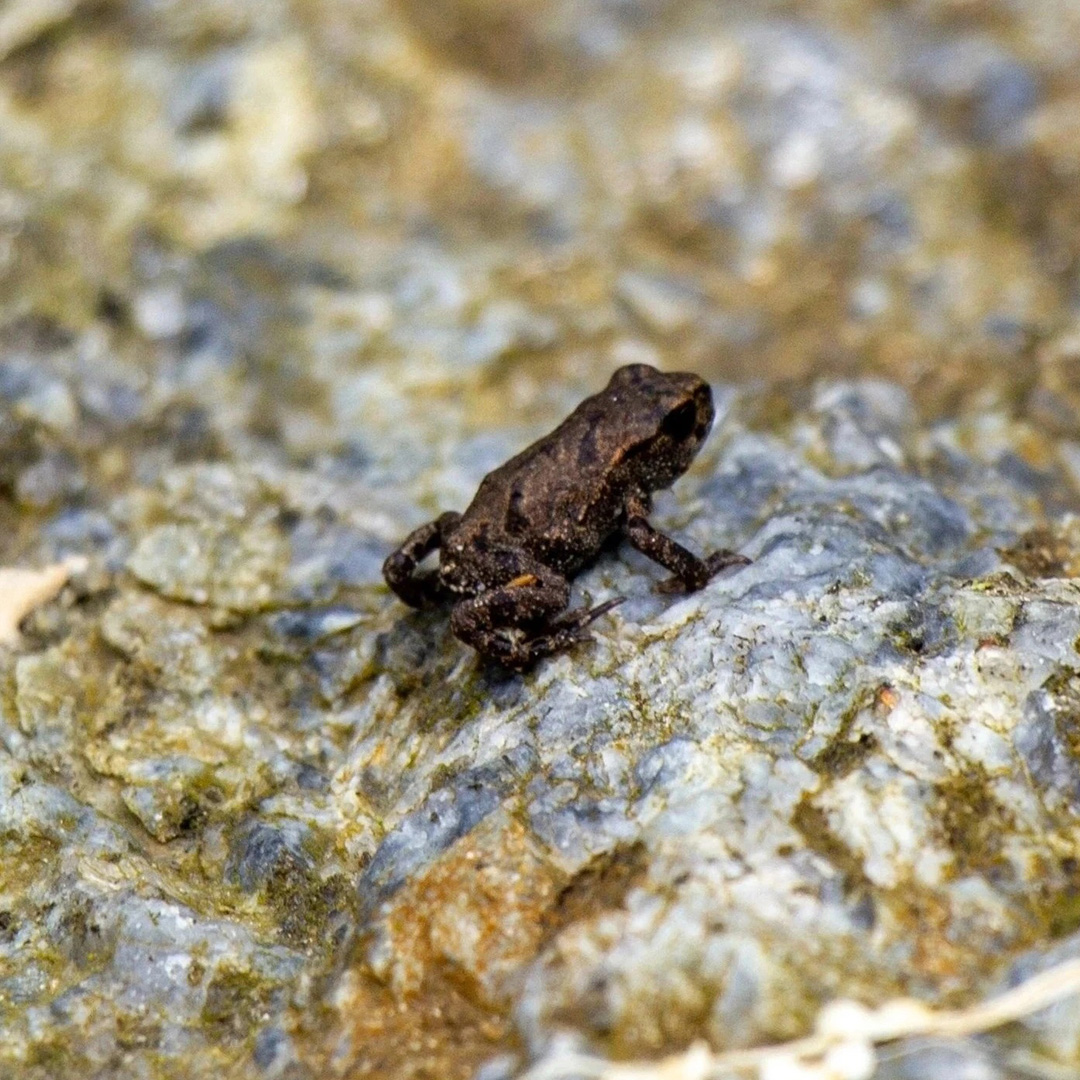
Common toad
They are currently on the move in the nature recreation park: tiny common toads that are on their way from the swamp ditch towards the forest. They leave their birthplace and look for new hiding places under leaves, roots or stones. At up to 10 cm, the common toad is the largest native toad species - easily recognizable by its brownish skin with many warts. To reproduce, common toads need calm waters, which they often visit over long distances in spring. Meter-long spawning lines can then be seen in the swamp ditch, in which the eggs are strung like pearls. They hatch into tadpoles that have to assert themselves against predators before they finally land on land as small toads.
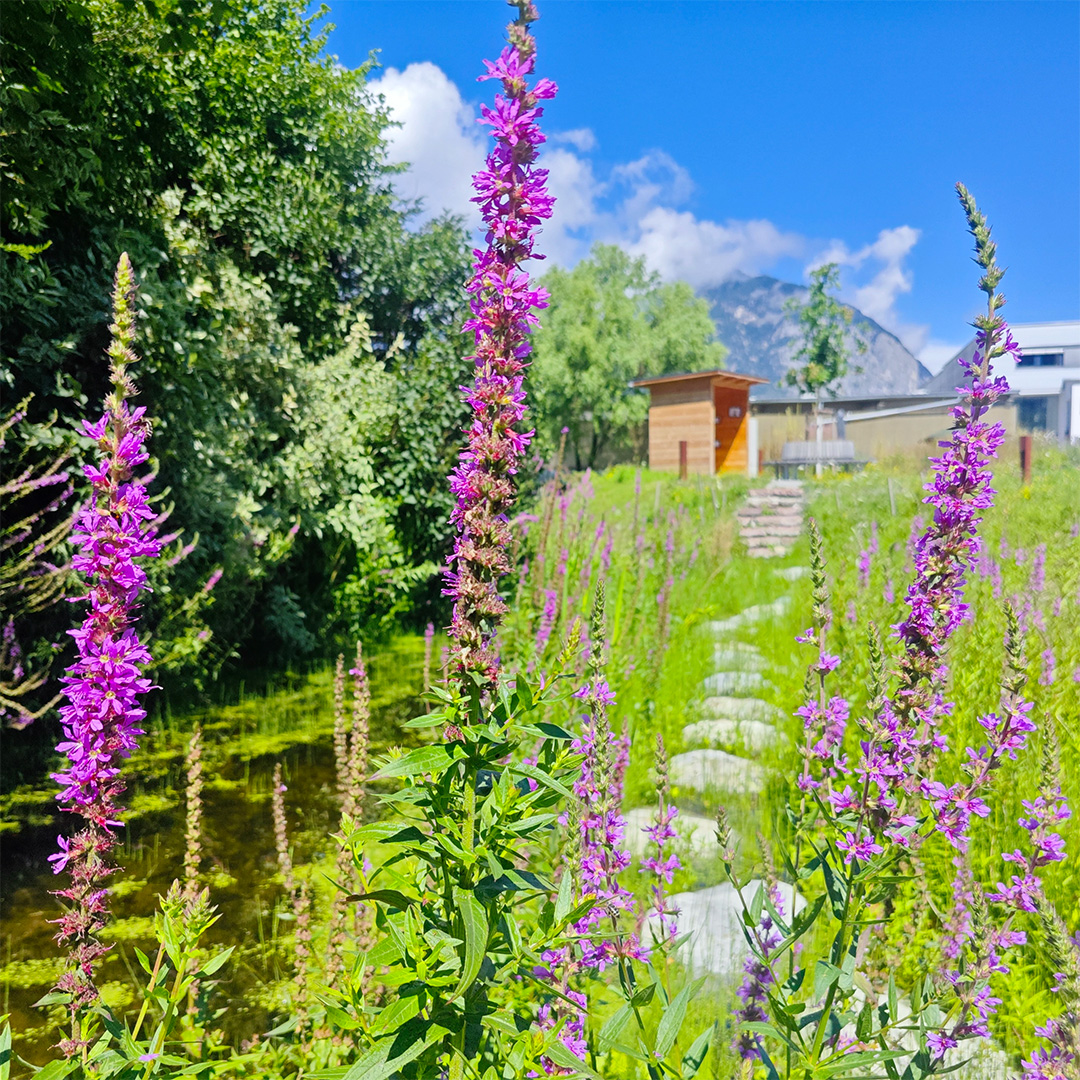
loosestrife
In late summer the swamp ditch glows in rich purple: the purple loosestrife is blooming! This stately wild perennial loves moisture and grows on banks, in swampy meadows and wet soils. It can grow up to 2.5 meters high and blooms from July to September. Their flowers are highly sought after by bees, butterflies and many other insects. Even the caterpillars of the beautiful night peacock eye use loosestrife as a food plant - a real hit for biodiversity.
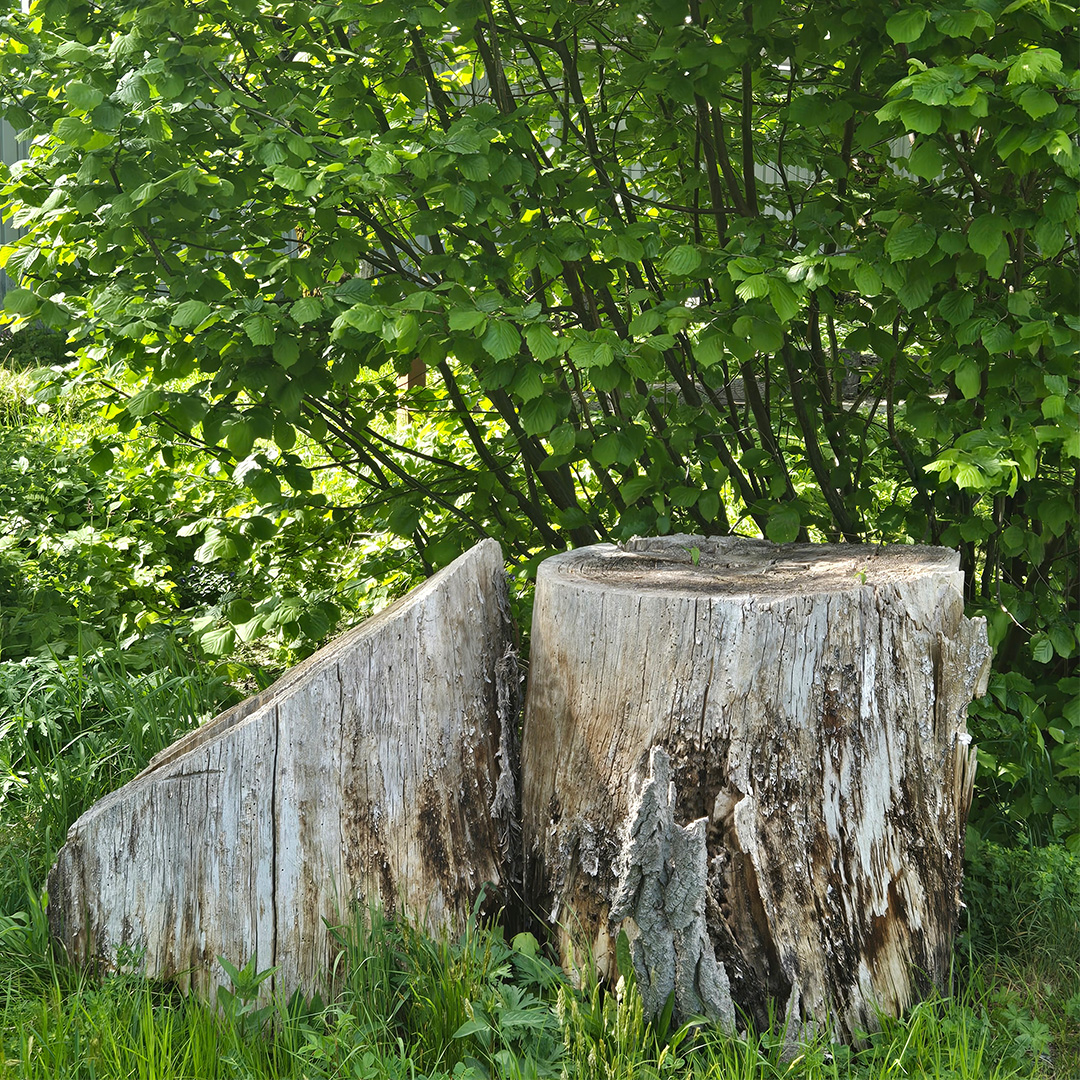
Dead wood
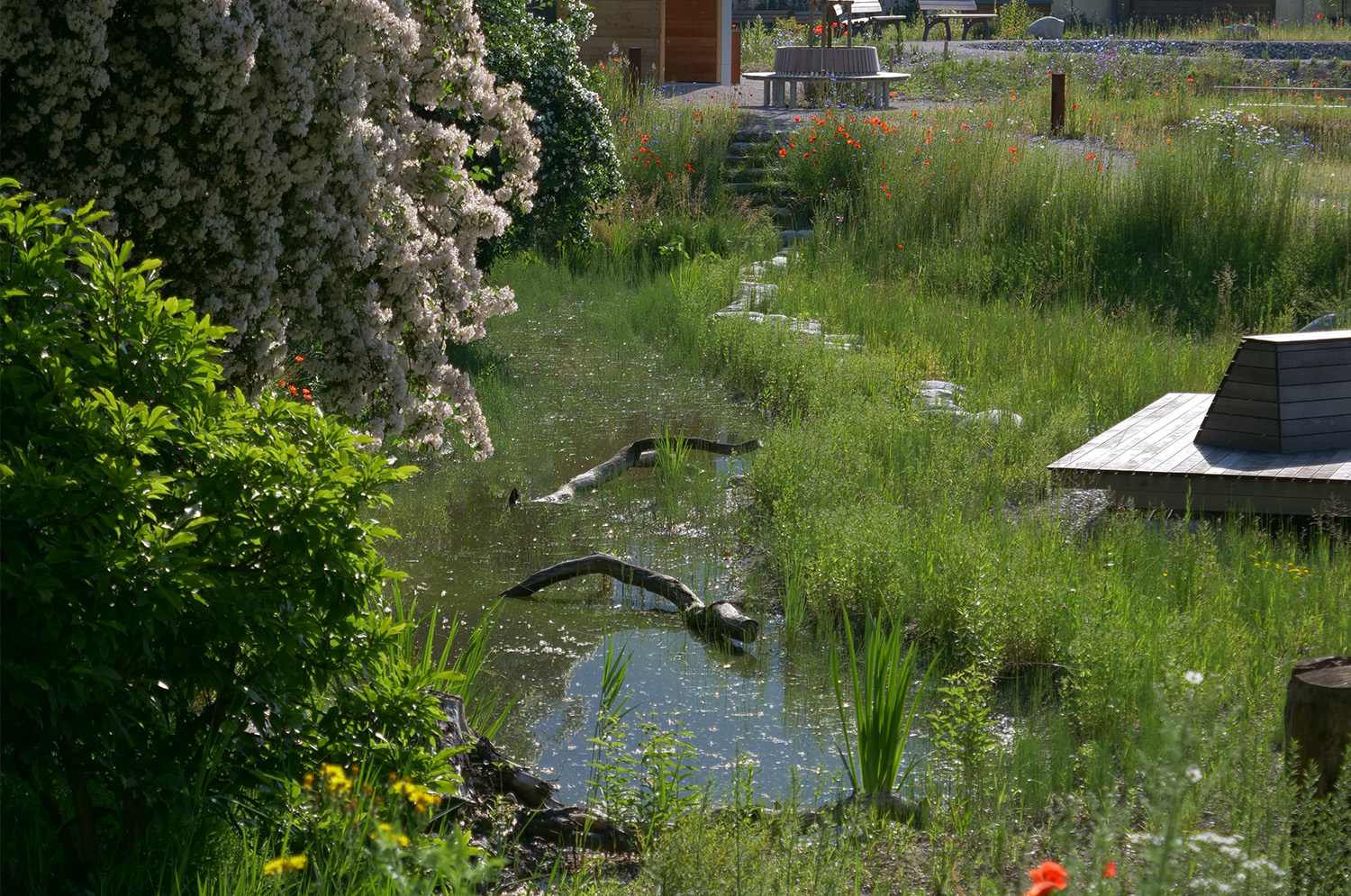
Dead wood is anything but dead - it's teeming with life! In the nature recreation park, dead wood is deliberately left lying around, for example in the swamp ditch or in the forest garden. It not only serves as a natural structural element, but is gradually colonized by fungi and countless insects. Some eat the wood, others live on the fungi or use the cavities that have arisen. Wild bees also build their nests there. Depending on the type of wood, degradation takes place very differently - often over many years. It's worth taking a look under the bark: this is where you can discover the hidden life in the wood. Dead wood is a valuable habitat and a real hotspot for biodiversity.
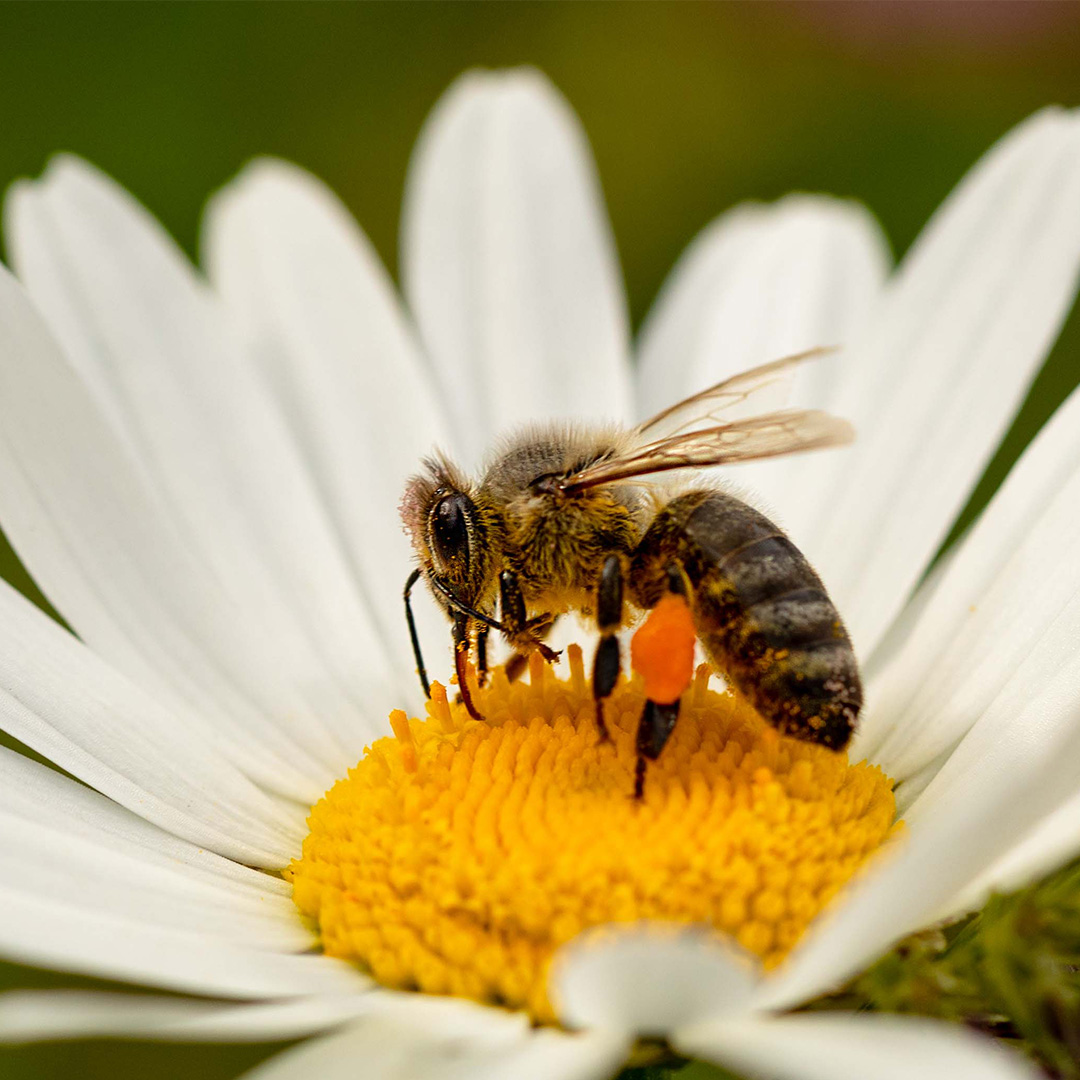
honey bee
In the display bee box at the edge of the flower meadow you can observe the life of honey bees up close. What looks like a hustle and bustle is actually a perfectly organized system. Every bee in the hive has its job: Most are sterile females that take care of brood care, building honeycombs or collecting nectar. Male bees - the drones - only live to mate with the queen during her nuptial flight. The queen is significantly larger and can be easily recognized by the colored dot on her abdomen. Their main job: laying eggs. Even if many people immediately think of honey when they hear “bee”, there are around 700 species of wild bees living in Austria, most of which travel alone. There’s more about this in our own wild bee chapter!
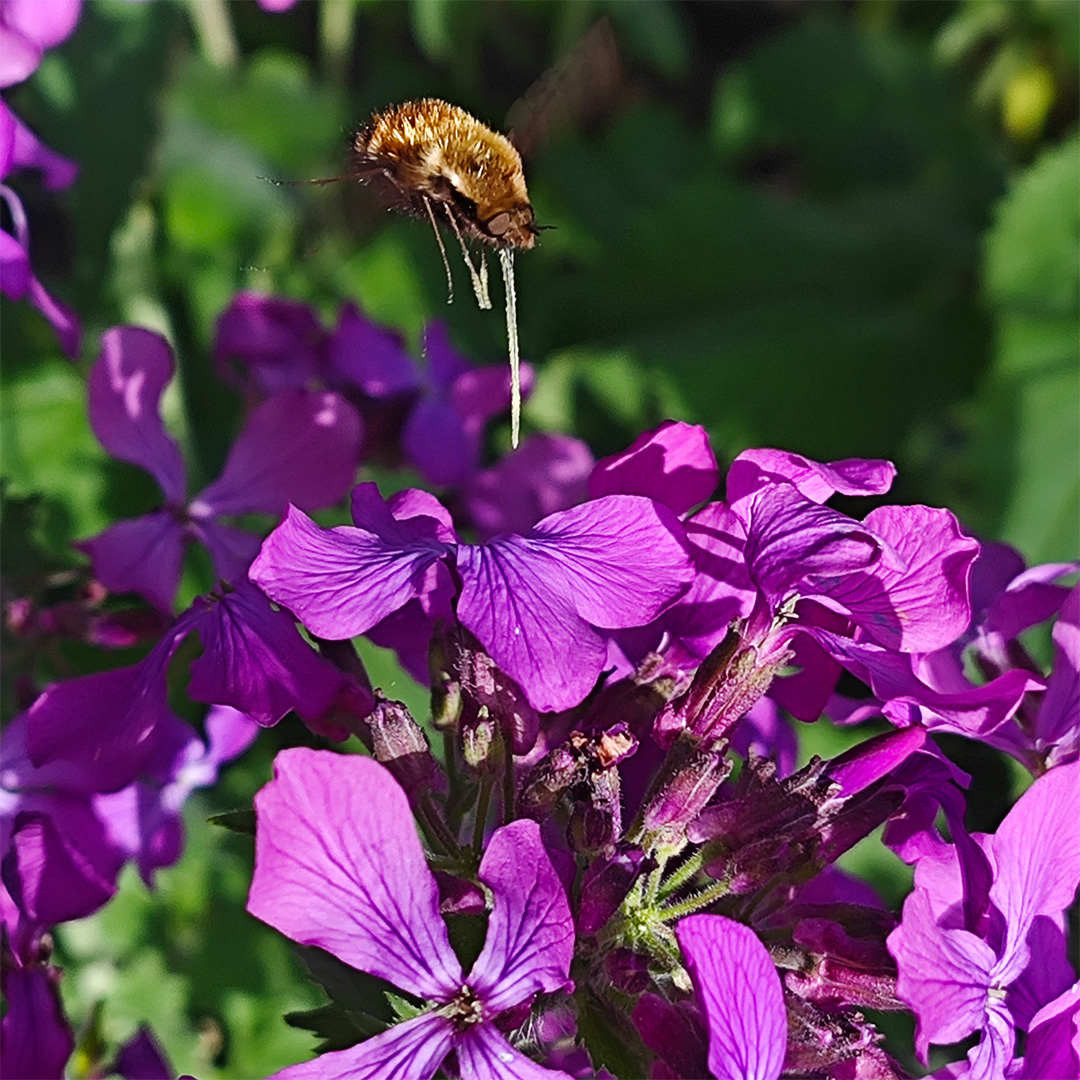
Big wool floater
At first glance, the Greater Woolly Floater looks like a small bumblebee, but it is a fly. With its long trunk it hovers in front of flowers like a tiny hummingbird and sucks nectar - nimble, silent and a great pollinator! Its offspring are less charming: The larvae develop as parasites in the nest of wild bees, digger wasps or certain butterflies, where they feed on their offspring.
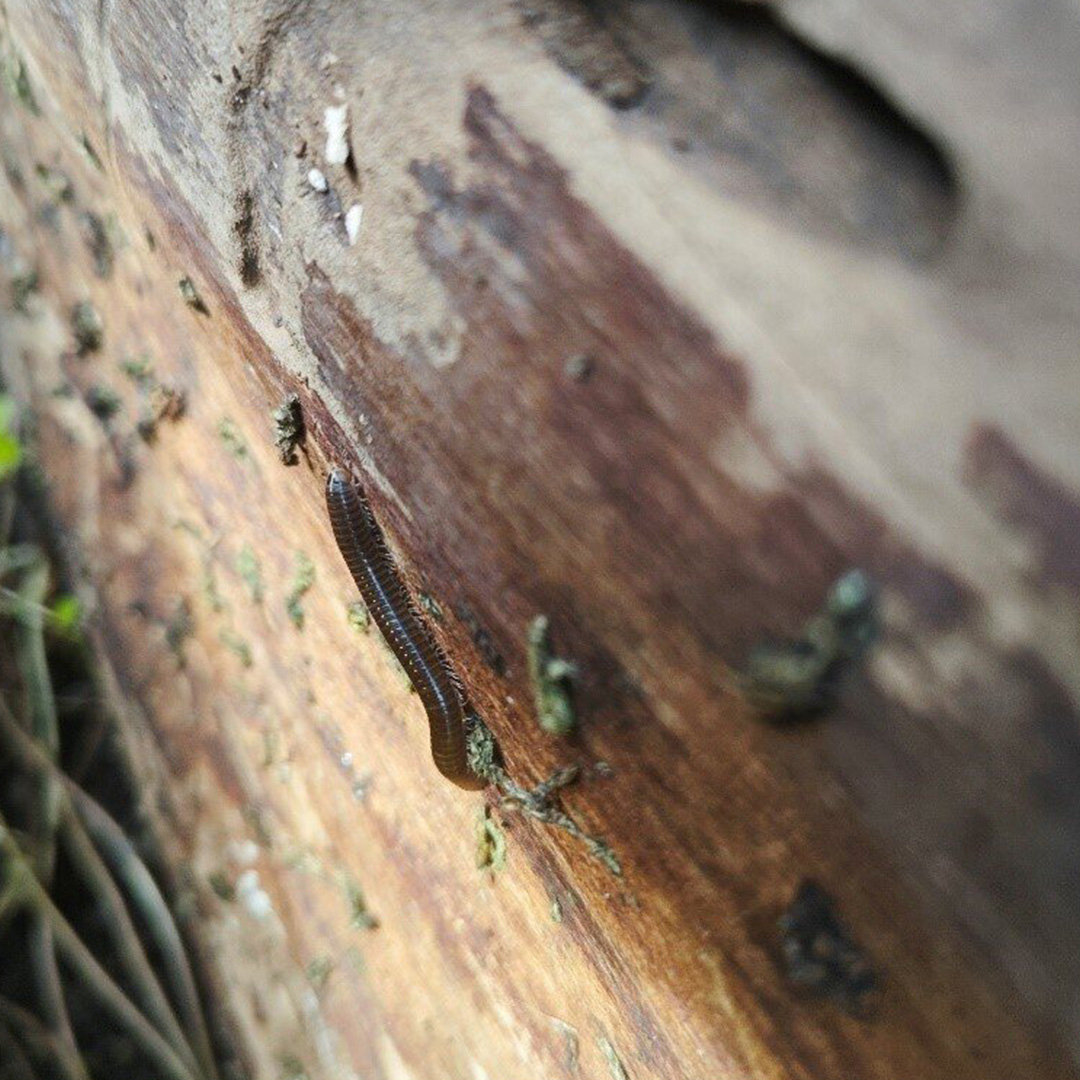
Millipede
Even if the name suggests otherwise, millipedes usually “only” have around 200 pairs of legs. The shiny gray-black polypods belong to the huge group of arthropods, the most species-rich animal phylum of all. They prefer to live in damp and dark places, are nocturnal and are real soil helpers: as humus builders, they eat dead plant parts and convert them into fertile soil. In this way, like earthworms, they make an important contribution to soil health. They are not dangerous for us, but they are dangerous for the birds and reptiles that have them on their menu.
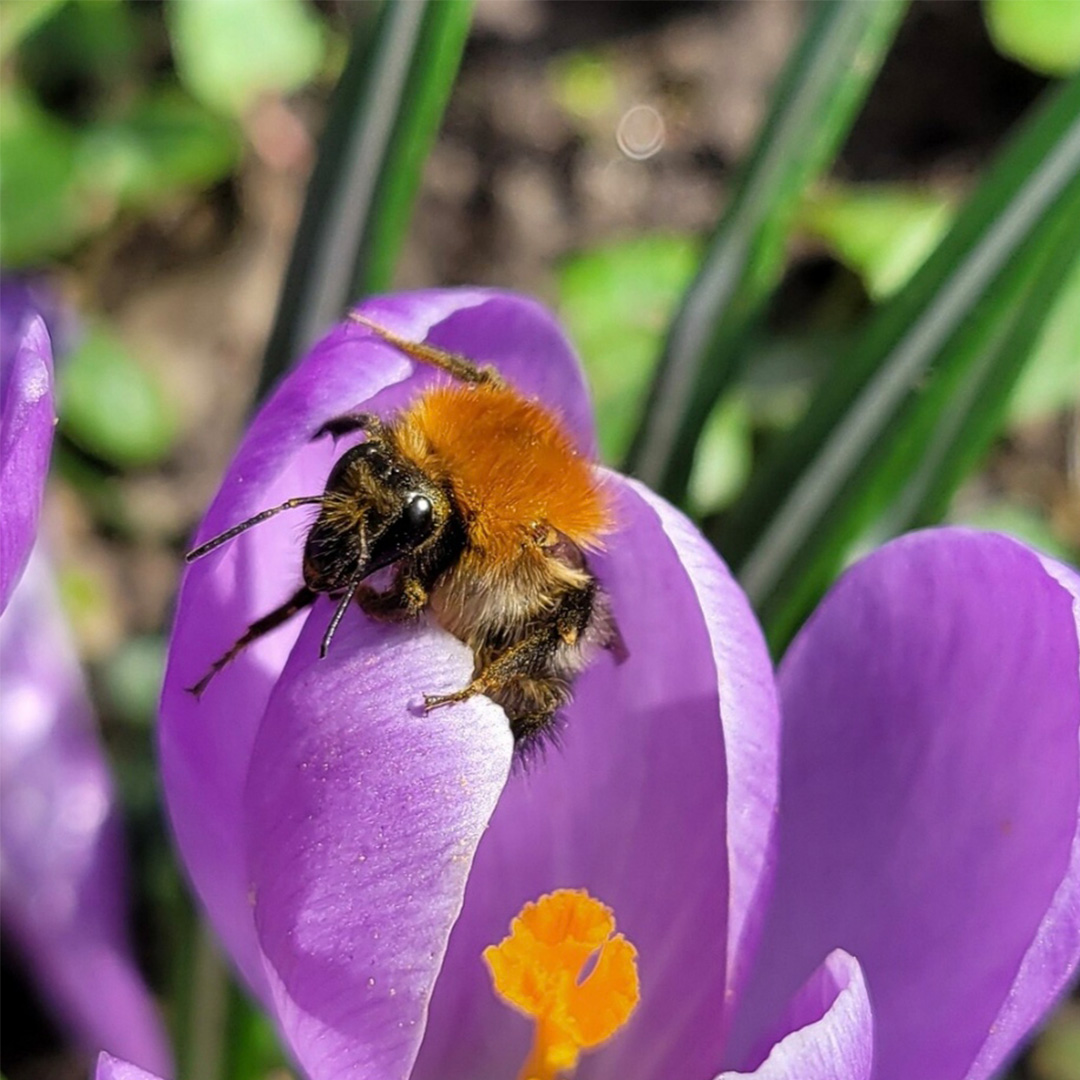
bumblebee
Bumblebees are real messengers of spring! In contrast to honey bees, only the young queen survives the winter. In the spring she sets off alone in search of a nesting place - and establishes her new colony there. There are around 45 species of bumblebees in Austria. The field bumblebee (Bombus pascuorum) is particularly common. Its furry body buzzes diligently from flower to flower and plays an important role in pollination.
Marsh marigold
The bright yellow marsh marigold is a real harbinger of spring - found wherever it is damp: on the edges of streams and ponds, in swampy meadows or in riparian forests. It also grows in large numbers in the swamp ditch of the nature recreation park. From April to May it decorates the area with its strong, yellow flowers and adds color to the fresh spring green. A beautiful sight – and a sign of healthy, wet habitats.
Common toad
They are currently on the move in the nature recreation park: tiny common toads that are on their way from the swamp ditch towards the forest. They leave their birthplace and look for new hiding places under leaves, roots or stones. At up to 10 cm, the common toad is the largest native toad species - easily recognizable by its brownish skin with many warts. To reproduce, common toads need calm waters, which they often visit over long distances in spring. Meter-long spawning lines can then be seen in the swamp ditch, in which the eggs are strung like pearls. They hatch into tadpoles that have to assert themselves against predators before they finally land on land as small toads.
loosestrife
In late summer the swamp ditch glows in rich purple: the purple loosestrife is blooming! This stately wild perennial loves moisture and grows on banks, in swampy meadows and wet soils. It can grow up to 2.5 meters high and blooms from July to September. Their flowers are highly sought after by bees, butterflies and many other insects. Even the caterpillars of the beautiful night peacock eye use loosestrife as a food plant - a real hit for biodiversity.
Dead wood
Dead wood is anything but dead - it's teeming with life! In the nature recreation park, dead wood is deliberately left lying around, for example in the swamp ditch or in the forest garden. It not only serves as a natural structural element, but is gradually colonized by fungi and countless insects. Some eat the wood, others live on the fungi or use the cavities that have arisen. Wild bees also build their nests there. Depending on the type of wood, degradation takes place very differently - often over many years. It's worth taking a look under the bark: this is where you can discover the hidden life in the wood. Dead wood is a valuable habitat and a real hotspot for biodiversity.
honey bee
In the display bee box at the edge of the flower meadow you can observe the life of honey bees up close. What looks like a hustle and bustle is actually a perfectly organized system. Every bee in the hive has its job: Most are sterile females that take care of brood care, building honeycombs or collecting nectar. Male bees - the drones - only live to mate with the queen during her nuptial flight. The queen is significantly larger and can be easily recognized by the colored dot on her abdomen. Their main job: laying eggs. Even if many people immediately think of honey when they hear “bee”, there are around 700 species of wild bees living in Austria, most of which travel alone. There’s more about this in our own wild bee chapter!
Big wool floater
At first glance, the Greater Woolly Floater looks like a small bumblebee, but it is a fly. With its long trunk it hovers in front of flowers like a tiny hummingbird and sucks nectar - nimble, silent and a great pollinator! Its offspring are less charming: The larvae develop as parasites in the nest of wild bees, digger wasps or certain butterflies, where they feed on their offspring.
Millipede
Even if the name suggests otherwise, millipedes usually “only” have around 200 pairs of legs. The shiny gray-black polypods belong to the huge group of arthropods, the most species-rich animal phylum of all. They prefer to live in damp and dark places, are nocturnal and are real soil helpers: as humus builders, they eat dead plant parts and convert them into fertile soil. In this way, like earthworms, they make an important contribution to soil health. They are not dangerous for us, but they are dangerous for the birds and reptiles that have them on their menu.
bumblebee
Bumblebees are real messengers of spring! In contrast to honey bees, only the young queen survives the winter. In the spring she sets off alone in search of a nesting place - and establishes her new colony there. There are around 45 species of bumblebees in Austria. The field bumblebee (Bombus pascuorum) is particularly common. Its furry body buzzes diligently from flower to flower and plays an important role in pollination.

Let's continue!
👉 Head to the next station – the next nature experience is waiting for you there. Simply follow the path - once you get there you will find a sign with a QR code that will take you directly to the appropriate page.