Colorful plant and animal diversity
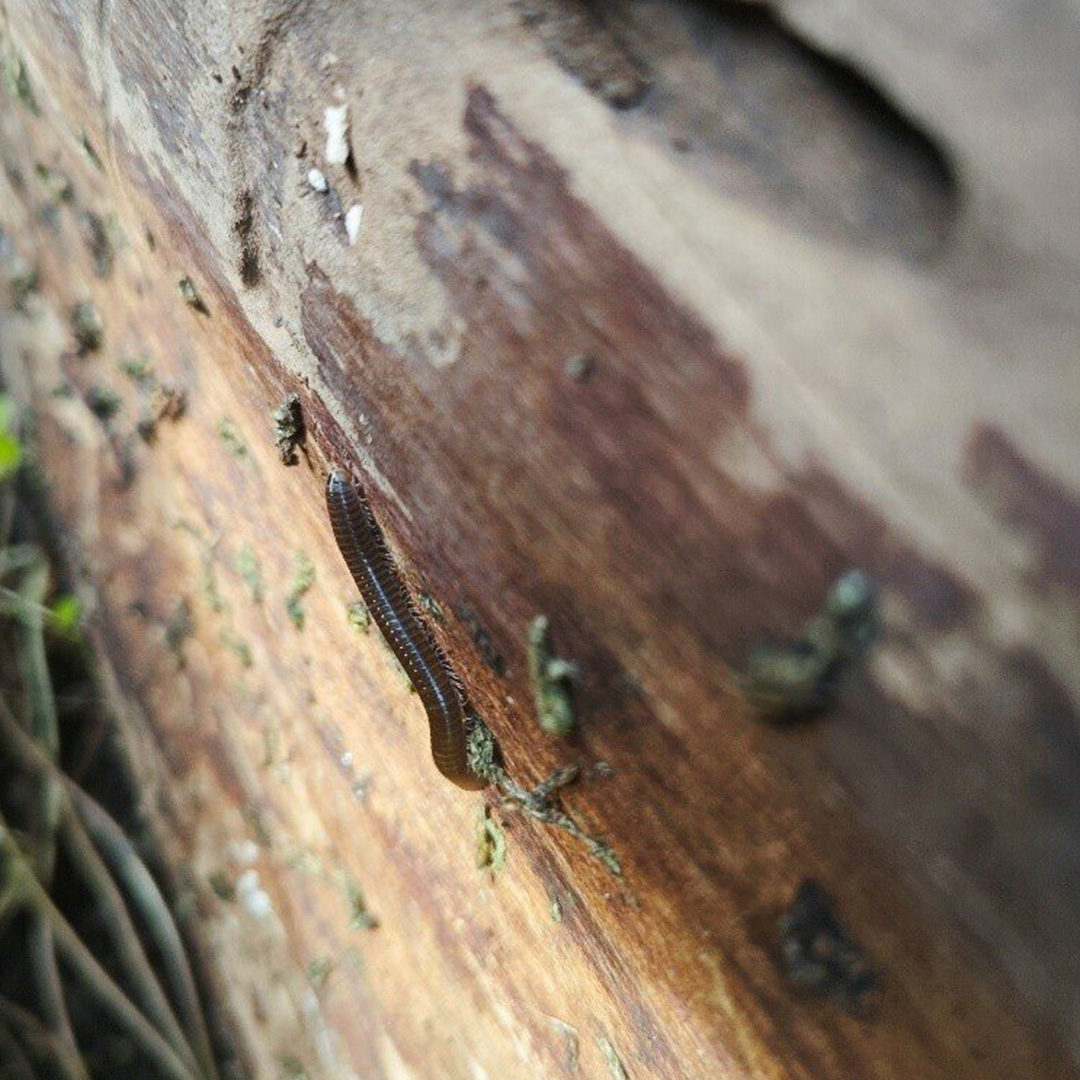
The centipede
Even if the name suggests otherwise, millipedes usually “only” have around 200 pairs of legs. The shiny gray-black polypods belong to the huge group of arthropods, the most species-rich animal phylum of all. They prefer to live in damp and dark places, are nocturnal and are real soil helpers: as humus builders, they eat dead plant parts and convert them into fertile soil. In this way, like earthworms, they make an important contribution to soil health. They are not dangerous for us, but they are dangerous for the birds and reptiles that have them on their menu.
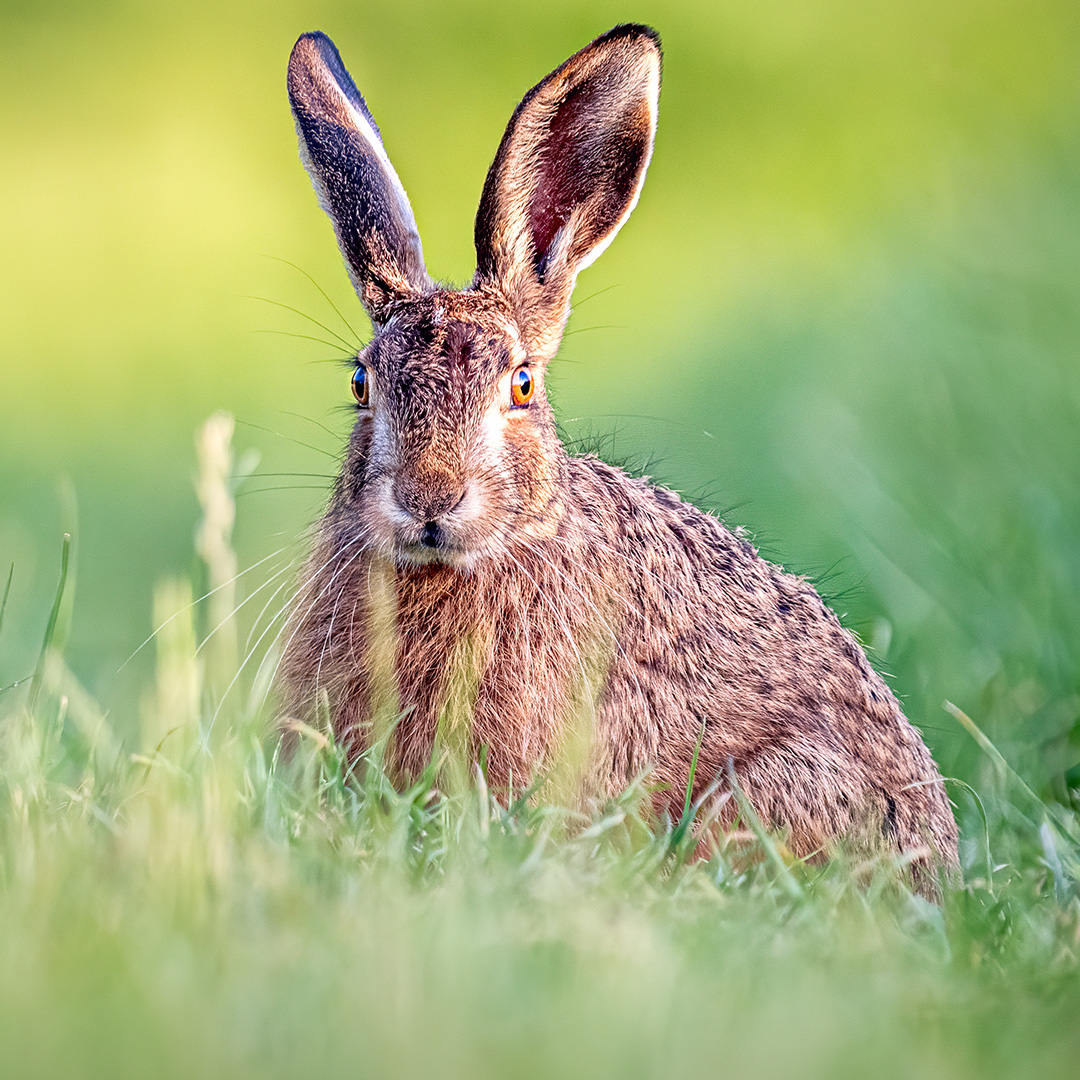
The brown hare
If you look closely in winter, you might discover hare tracks in the snow: two parallel prints - these are the strong hind legs - and behind them two smaller ones from the front paws. This is how the brown hare hops through the park. With his good hearing, perfect camouflage and impressive sprinting power, he is a real survivor. In winter, its fur becomes lighter and adapts perfectly to its surroundings. But even though he is so adaptable, the brown hare has a hard time today. Intensive agriculture and fragmented habitats are affecting it. Its natural enemies include foxes, badgers, martens and birds of prey. It's even nicer when traces can still be found in the nature recreation park.
The centipede
Even if the name suggests otherwise, millipedes usually “only” have around 200 pairs of legs. The shiny gray-black polypods belong to the huge group of arthropods, the most species-rich animal phylum of all. They prefer to live in damp and dark places, are nocturnal and are real soil helpers: as humus builders, they eat dead plant parts and convert them into fertile soil. In this way, like earthworms, they make an important contribution to soil health. They are not dangerous for us, but they are dangerous for the birds and reptiles that have them on their menu.
The brown hare
If you look closely in winter, you might discover hare tracks in the snow: two parallel prints - these are the strong hind legs - and behind them two smaller ones from the front paws. This is how the brown hare hops through the park. With his good hearing, perfect camouflage and impressive sprinting power, he is a real survivor. In winter, its fur becomes lighter and adapts perfectly to its surroundings. But even though he is so adaptable, the brown hare has a hard time today. Intensive agriculture and fragmented habitats are affecting it. Its natural enemies include foxes, badgers, martens and birds of prey. It's even nicer when traces can still be found in the nature recreation park.
Our tips
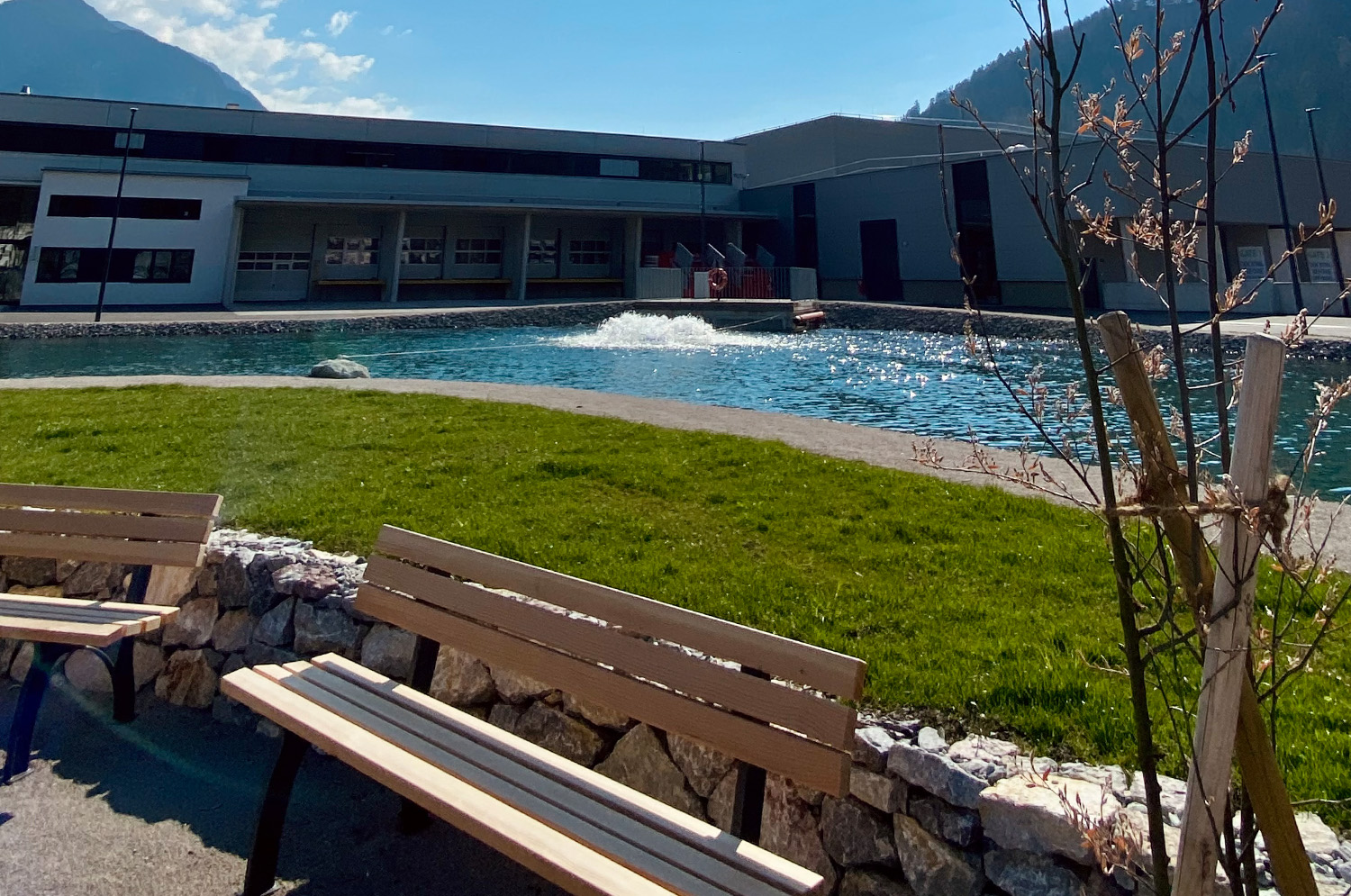
🌞 Make yourself comfortable on the meadow – whether sitting or lying down, you’ll find your place to relax here.
📖 Enjoy a quiet time out – perfect for a break to read, dream or simply watch the sky.
Let's continue!
👉 Head to the next station – the next nature experience is waiting for you there. Simply follow the path - once you get there you will find a sign with a QR code that will take you directly to the appropriate page.