Colorful plant and animal diversity
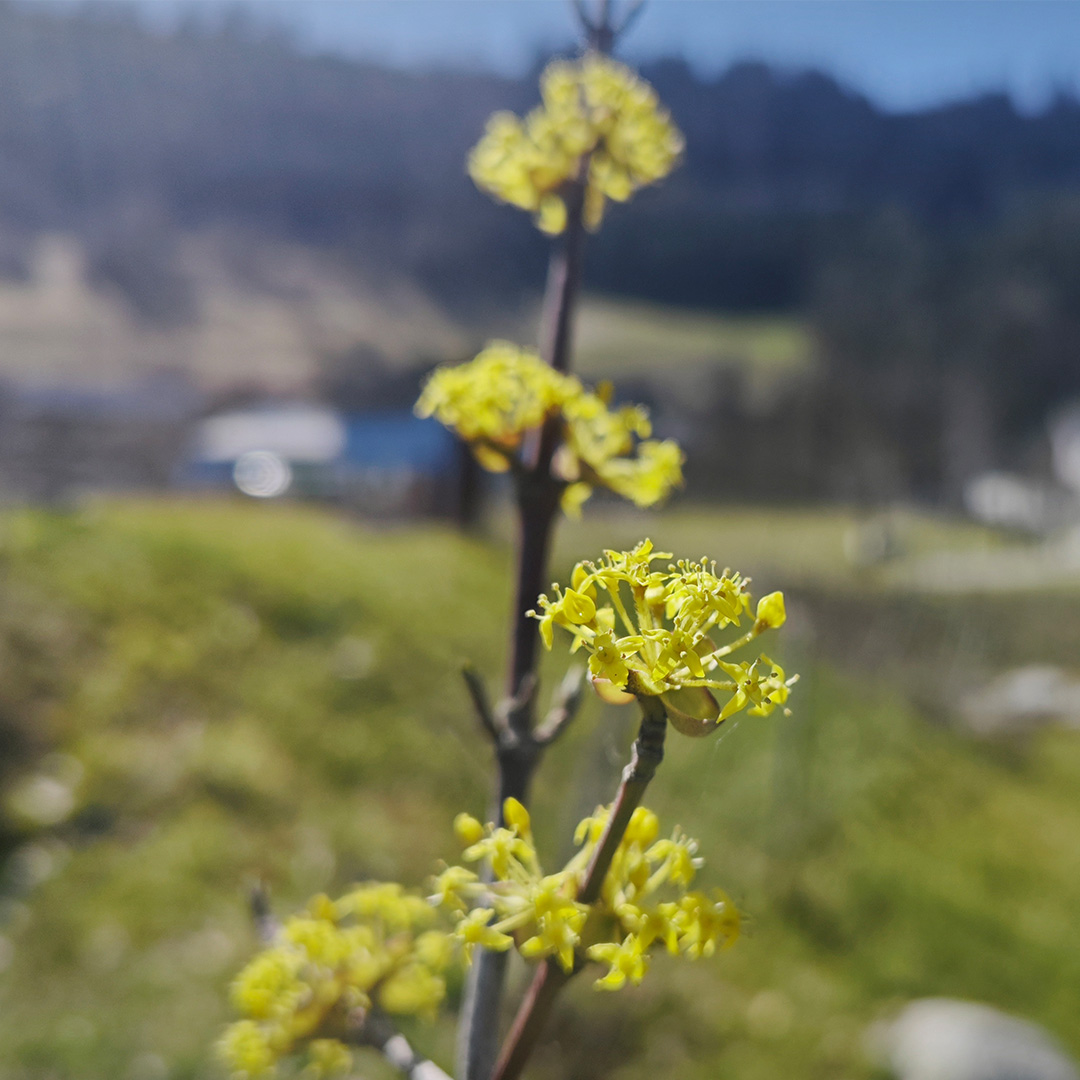
Cornelian cherry
The cornelian cherry is not only pretty, but also really robust - no wonder it was voted Shrub of the Year 2024! It defies drought and wind and often blooms in February, even before the leaves are there. This makes it one of the first important food sources for insects of the year. In summer, many birds - and we humans too - are happy about the healthy, edible fruits.
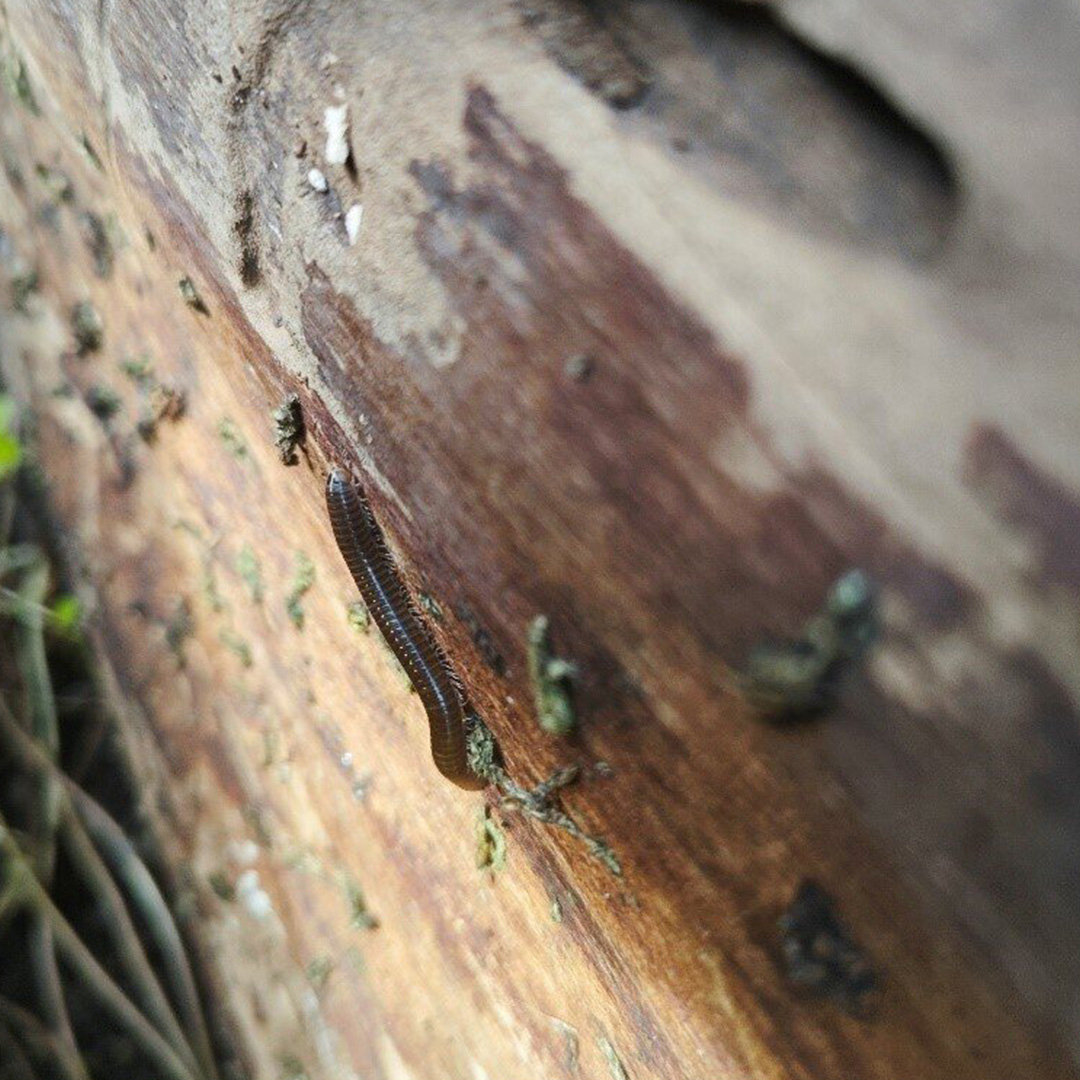
Millipede
Even if the name suggests otherwise, millipedes usually “only” have around 200 pairs of legs. The shiny gray-black polypods belong to the huge group of arthropods, the most species-rich animal phylum of all. They prefer to live in damp and dark places, are nocturnal and are real soil helpers: as humus builders, they eat dead plant parts and convert them into fertile soil. In this way, like earthworms, they make an important contribution to soil health. They are not dangerous for us, but they are dangerous for the birds and reptiles that have them on their menu.
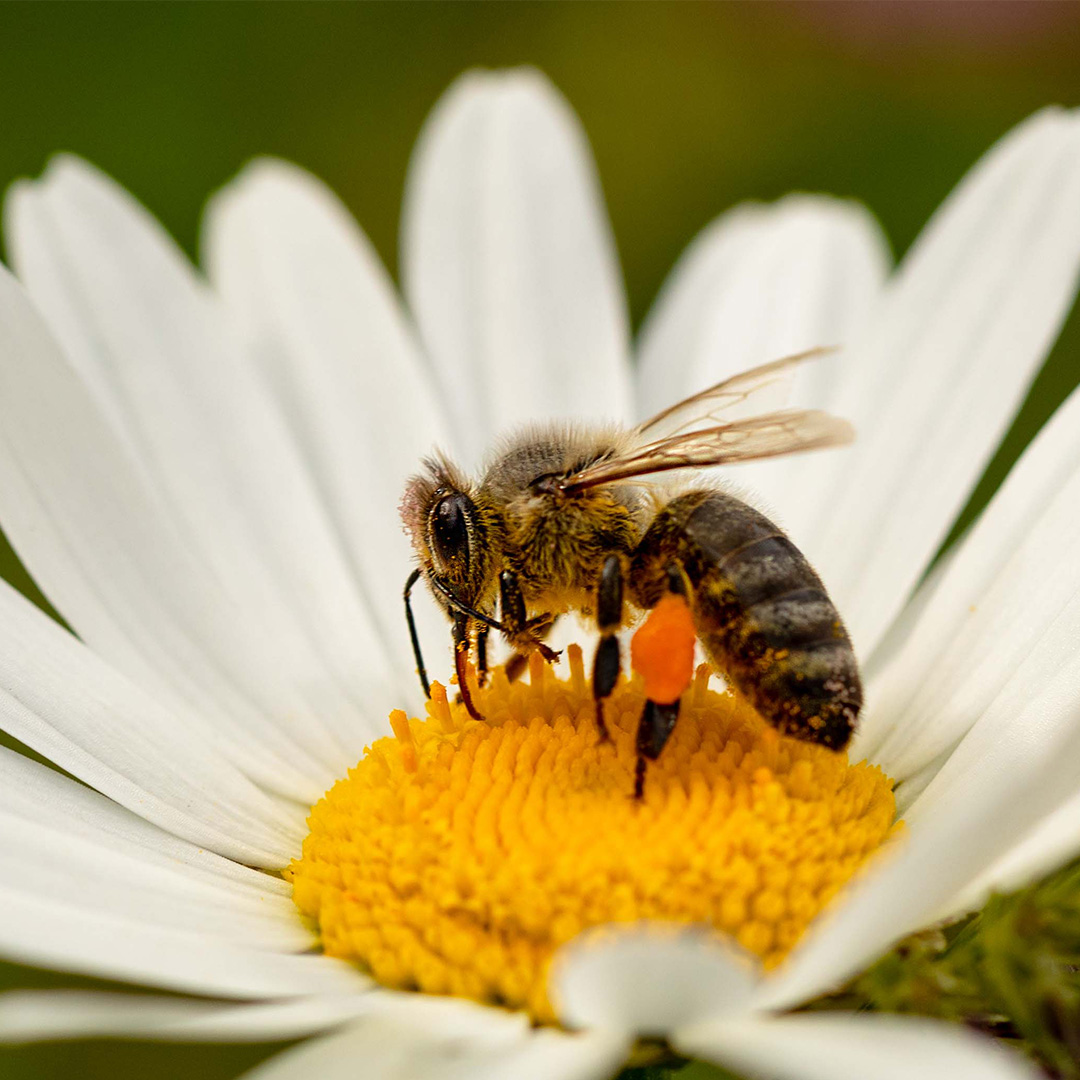
honey bee
In the display bee box at the edge of the flower meadow you can observe the life of honey bees up close. What looks like a hustle and bustle is actually a perfectly organized system. Every bee in the hive has its job: Most are sterile females that take care of brood care, building honeycombs or collecting nectar. Male bees - the drones - only live to mate with the queen during her nuptial flight. The queen is significantly larger and can be easily recognized by the colored dot on her abdomen. Their main job: laying eggs. Even if many people immediately think of honey when they hear “bee”, there are around 700 species of wild bees living in Austria, most of which travel alone. There’s more about this in our own wild bee chapter!
Cornelian cherry
The cornelian cherry is not only pretty, but also really robust - no wonder it was voted Shrub of the Year 2024! It defies drought and wind and often blooms in February, even before the leaves are there. This makes it one of the first important food sources for insects of the year. In summer, many birds - and we humans too - are happy about the healthy, edible fruits.
Millipede
Even if the name suggests otherwise, millipedes usually “only” have around 200 pairs of legs. The shiny gray-black polypods belong to the huge group of arthropods, the most species-rich animal phylum of all. They prefer to live in damp and dark places, are nocturnal and are real soil helpers: as humus builders, they eat dead plant parts and convert them into fertile soil. In this way, like earthworms, they make an important contribution to soil health. They are not dangerous for us, but they are dangerous for the birds and reptiles that have them on their menu.
honey bee
In the display bee box at the edge of the flower meadow you can observe the life of honey bees up close. What looks like a hustle and bustle is actually a perfectly organized system. Every bee in the hive has its job: Most are sterile females that take care of brood care, building honeycombs or collecting nectar. Male bees - the drones - only live to mate with the queen during her nuptial flight. The queen is significantly larger and can be easily recognized by the colored dot on her abdomen. Their main job: laying eggs. Even if many people immediately think of honey when they hear “bee”, there are around 700 species of wild bees living in Austria, most of which travel alone. There’s more about this in our own wild bee chapter!
Our tips
🪺 Sit back and watch Life in the hedge – including chirping birds
💼 Find a quiet place to work – natural scenery and fresh air promote concentration
👂 Open your ears and listen to the Bird concert – there’s a lot to hear and discover here
🦉 Watch the colorful hustle and bustle in the hedge – with a little patience you can discover many species
Let's continue!
👉 Head to the next station – the next nature experience is waiting for you there. Simply follow the path - once you get there you will find a sign with a QR code that will take you directly to the appropriate page.